
Safe Use of LPG
Safe Use of LPG
Why Consumers Should Switch to LPG
- Efficiency: LPG is extremely efficient in generating heat, and therefore a major step on the energy quality ladder. LPG also ignites instantly.
- Cleanliness: LPG burns efficiently, without producing smoke, thereby reducing indoor pollution, contributing to better health for women and children.
- Environmentally friendly: From an environmental point of view, LPG emits much less CO2 per meal when burned than wood fuel and other traditional fuels and also cuts down on deforestation.
- Portability: It is easily liquefied and stored in pressured containers making it easy to to transport in cylinders to end users without spillage.
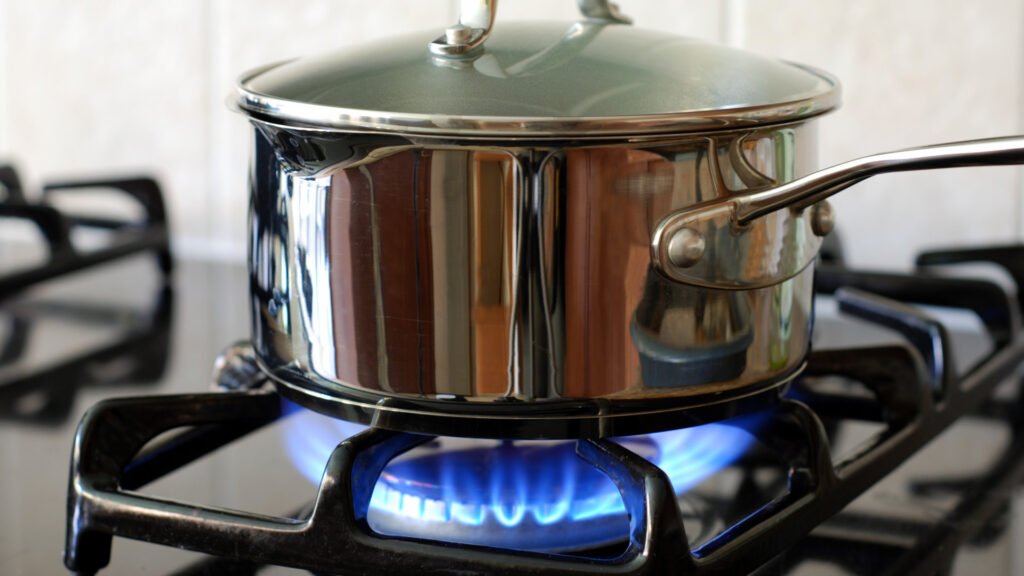
Lighting manually ignited standard stoves (regulator)
Always follow the instruction in the stove’s Manual, otherwise:
- Make sure that the cylinder valve and all the stove knobs are closed
- Turn on the cylinder valve – (one and a half turns should be enough.)
- Check for gas leaks between the cylinder and stove burner-head
- Turn on the stove knob until the flame catches on the burner-head
- Adjust the flame on the stove knob/valve accordingly
- To turn off the stove, close the cylinder valve first and then the stove knob/valve after the flame has died down.
Lighting manually ignited standard stoves (auto ignition switch)
Always follow the instruction in the stove’s Manual, otherwise:
- Make sure the cylinder valve and all the stove knobs are closed
- Turn on the cylinder (one and half turns should be enough)
- Check for gas leaks between the cylinder and stove and fix them before switching on the stove
- Press and turn the knob. The flame starts immediately. If not, switch off, and restart after allowing for the gas to disperse first.
- The flame can be adjusted at the stove knob
- To switch off the stove, close the cylinder valve first, and then close the stove knob, after the flame has died down
Tips When Cooking With LPG
- Be alert for any possible danger
- Keep a watchful eye and make regular checks
- Do not leave boiling pots unattended for long periods of time
- Ensure there are no liquids (eg stews, sauces, porridge or water) spills from boiling pots onto the stove that may put out the fire resulting in accumulation of unburnt gas in the room.
Safety Tips
Safety Tips
- Keep the cylinder in a vertical position with the valve on top.
- Keep a distance of at least 2 meters between your gas cylinder and coal/wood stoves, any electrical sockets or electrical appliances.
- Ensure that there is always adequate ventilation and do not keep the LPG cylinders inside cupboards.
- Do not keep a total of more than 19kg of LGP cylinders inside a single housing unit.
- LPG cylinders are not to be placed in closed proximity to the stove or any other source of flame or heat.
- Always use the correct rubber hose and check it regularly for cracks. Change rubber hose at least on every 18 months. Do not use plastics to tie the hose
Changing a Cylinder
Ensure the following:
- There is no naked flame nearby
- The stove is switched off, and the cylinder valve is closed
- Handle the cylinder with care. Do not drop or drag the cylinder
- Before connecting the regulator or cooker-top, ensure that the rubber seal or O-ring is in place. Do not use regulators or cooker tops without the rubber seal or O-rings.
- Ensure there are no gas leaks before switching on the stove

- Always use the correct rubber hose and check it regularly for cracks. Change rubber hose at least on every 18 months. Do not use plastics to tie the hose.
- Ensure that your LPG system is assembled by a person with LPG training and knowledge, and that the installation is leak tested. In case that your system is leaking, the following guidelines should be followed:
- Close the knob of the LPG appliance properly. Bring the regulator to the off position.
- Open all the windows so that fresh air can enter the room/kitchen
- Do not switch on or off any electrical appliance in the room/kitchen
- Put off all flames. Do not use any lighted matchbox or lighter to check for any LPG leakages
- Do not use an electric fan to dispel the LP Gas
- If possible close the cylinder valve to stop the gas flow
- If not possible to stop the gas flow, raise alarm
- Move the cooker in an up-right position and place in an open, well-ventilated area to burn off the gas
- Call fire brigade immediately on +263 242 720 206
- NB – Ensure gas supply from cylinder is firmly turned off before attempting to put out a gas fire
- After closing the cylinder valve, safety move the cylinder outdoors for the gas to burn off. If it is not possible to stop the leak, move the cylinder and cooker to an open, well ventilated area.
- Vacate the house and call the fire brigade +263 242 720 206, remember not to use any electrical appliance, including cell phones in the same room where the suspected leak is.
Please ensure the cylinder is re-tested and re-approved every 10 years. Check areas (A,B OR C) (as shown in the adjacent cylinder) for the following permanent markings among others:
Tare weight (TW)
LPG Weight (LPG)
Date of manufacture/Test date
Normalization Mark (N)
Standard/Code of manufacture
- Always be in full attendance when cooking using LPG. The sauce or liquid in your cooking could overflow and extinguish the burner, causing gas to leak if cooking appliances are left unattended
- Ensure your LPG system is assembled by a person with necessary LPG training and knowledge
- Only use appliances designed for LP Gas
- Ensure the installation is leak tested by applying soapy water to joints. If bubbles appear, close the valve and have the leaks fixed.